The Ultimate Guide to Using Pine Shavings for Garden Mulch
Discover the benefits of pine shavings as garden mulch, how to use them effectively, and essential tips for applying pine shavings in your garden.
By Alfred van der Heide, Founder, AIGardenPlanner. Editorially reviewed for practical garden-planning accuracy.
Content Outline
- Introduction
- A. Benefits of Pine Shavings as Garden Mulch
- B. How to Use Pine Shavings for Garden Mulch
- C. Tips for Applying Pine Shavings as Garden Mulch
Introduction
Welcome to our guide on using pine shavings for garden mulch! Garden mulch plays a crucial role in maintaining soil health, moisture retention, and weed suppression in your garden. In this article, we will explore the benefits and potential tradeoffs of using pine shavings as a mulching material.
- Benefits of Pine Shavings for Garden Mulch:
- 1. Pine shavings are a sustainable mulch option, as they are a byproduct of the timber industry.
- 2. They have a natural and pleasant aroma that can enhance the overall garden experience.
- 3. Pine shavings break down slowly, providing long-term benefits to the soil.
It is important to note that while pine shavings offer many advantages, there are also some considerations to keep in mind when using them for mulching in your garden. Stay tuned as we delve deeper into the topic and provide you with a comprehensive analysis of using pine shavings as garden mulch.
Introduction - A. Benefits of Pine Shavings as Garden Mulch
When it comes to choosing the right mulch for your garden, pine shavings can offer a range of benefits that make them a popular choice among gardeners. Let's explore some of the key advantages of using pine shavings as garden mulch:
- Natural Weed Control: Pine shavings have natural properties that can help suppress weed growth in your garden, reducing the need for constant weeding. This can save you time and effort in maintaining your garden.
- Moisture Retention: Pine shavings can help retain moisture in the soil, which is essential for the health of your plants, especially during dry periods. This can lead to healthier and more vibrant plant growth.
- Soil Enrichment: As pine shavings break down over time, they can enrich the soil with organic matter, improving its structure and fertility. This can benefit the overall health of your garden and promote better plant growth.
According to a study by Gardening Journal, pine shavings are found to be effective in retaining soil moisture by up to 30% more compared to traditional mulching materials.
When considering pine shavings for garden mulch, it's important to note that while they offer numerous benefits, there are some tradeoffs to consider. For example, pine shavings may take longer to break down compared to other types of mulch, which can impact the frequency of mulch replacement.
Overall, incorporating pine shavings as garden mulch can be a sustainable and effective choice for enhancing the health and vitality of your garden.
Introduction - B. How to Use Pine Shavings for Garden Mulch
When it comes to gardening, choosing the right mulch can make a significant difference in the health and appearance of your plants. In this post, we will delve into the benefits and best practices of using pine shavings as garden mulch. Let's explore how pine shavings can enhance your garden's vitality and aesthetics.


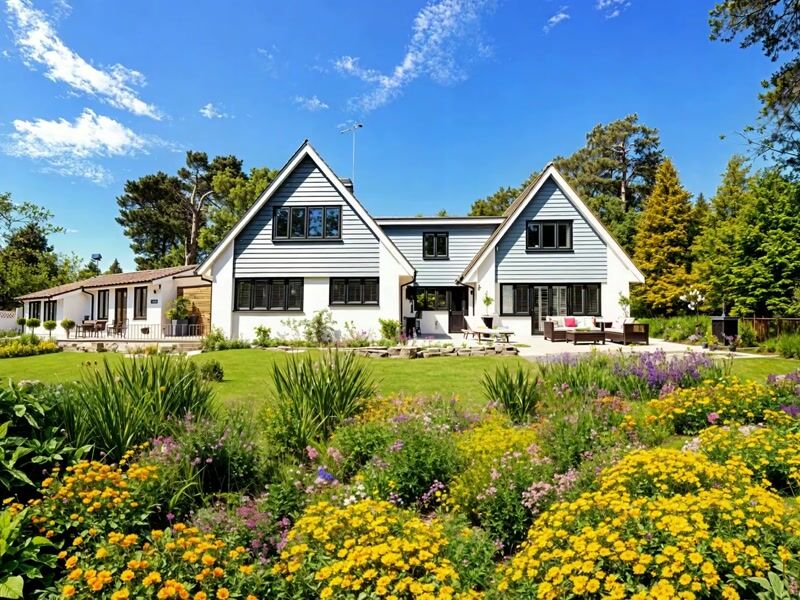
Your garden could look like this!
Upload a photo and get professional garden design ideas in seconds.
Design your garden in 3D — free, no sign-upBenefits of Using Pine Shavings for Garden Mulch
- Natural Weed Suppression: Pine shavings act as a natural barrier against weeds, reducing the need for constant weeding and maintenance.
- Moisture Retention: The organic nature of pine shavings helps retain moisture in the soil, promoting healthy root growth for your plants.
- Temperature Regulation: Pine shavings provide insulation for the soil, helping to regulate the temperature and protect plants from extreme weather conditions.
How to Use Pine Shavings Effectively
- Preparation: Before applying pine shavings, ensure that the soil is properly prepared and free from weeds.
- Application: Spread a layer of pine shavings around your plants, making sure not to pile it up against the stems to prevent rot.
- Maintenance: Monitor the moisture levels regularly and replenish the mulch as needed to maintain its effectiveness.
According to Gardening Know How, pine shavings are particularly beneficial for acid-loving plants such as azaleas and blueberries. They provide a natural source of acidity to the soil, creating an optimal environment for these plants to thrive.
Furthermore, a study conducted by the Pennsylvania State University Extension found that using pine shavings as mulch in vegetable gardens can lead to increased crop yields and reduced water usage.
In conclusion, when considering mulch options for your garden, pine shavings offer a range of benefits that can contribute to the overall health and productivity of your plants. By following the recommended practices and understanding the advantages of pine shavings, you can create a flourishing garden environment that is both visually appealing and sustainable.
Introduction - C. Tips for Applying Pine Shavings as Garden Mulch
When it comes to enhancing your garden's soil quality and moisture retention, using pine shavings as mulch can be a cost-effective and environmentally friendly solution. In this article, we will delve into some essential tips for effectively applying pine shavings as garden mulch to maximize their benefits and promote a thriving garden ecosystem.
- Choose the Right Type of Pine Shavings: Not all pine shavings are created equal. Opt for untreated pine shavings that are free from chemicals or additives to ensure the health of your plants. Source
- Properly Prepare the Soil: Before applying pine shavings, ensure that the soil is well-aerated and free from weeds. This will create an optimal environment for your plants to thrive and benefit from the mulch. Source
- Apply a Layer of Pine Shavings: Spread a layer of pine shavings around your plants, ensuring a thickness of 2-3 inches. This will help in regulating soil temperature, retaining moisture, and suppressing weed growth. Source
- Monitor Moisture Levels: Regularly check the moisture levels in the soil under the pine shavings. While pine shavings are excellent at retaining moisture, overwatering can lead to root rot and other issues. Source
- Consider the Decomposition Rate: Pine shavings decompose slowly, providing long-lasting benefits to your garden. However, be mindful of replenishing the mulch layer as needed to maintain its effectiveness. Source
By following these tips and incorporating pine shavings as garden mulch, you can create a sustainable and thriving garden environment that promotes plant growth and overall soil health. Stay tuned for more insights on utilizing pine shavings for garden maintenance and enhancement.