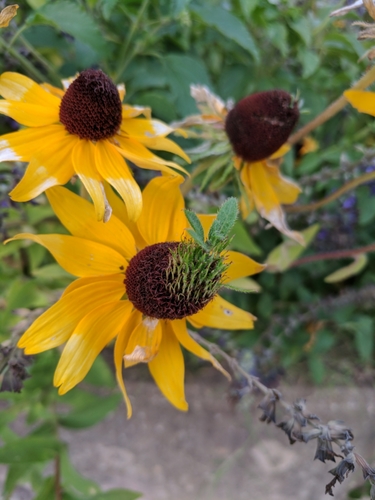
Black-Eyed Susan
Rudbeckia hirta
Black-Eyed Susan (Rudbeckia hirta) is a tough full-sun native flower for USDA zones 3-9, loved for golden summer-to-fall blooms, low water needs, and pollinator-friendly garden borders.
Quick answer: Black-Eyed Susan care
Plant Black-Eyed Susan in full sun and well-drained soil. It behaves as a short-lived perennial or self-sowing biennial in many gardens, flowers from summer into fall, and pairs easily with other lean-soil pollinator plants.
- USDA zones
- 3-9; perennial in many gardens and often self-sows
- Sun
- Full sun gives the strongest stems and heaviest bloom
- Water
- Low once established; avoid soggy or crowded soil
- Bloom season
- Summer to fall with yellow petals and dark centers
- Native value
- Eastern and central North American wildflower for pollinator borders
- Companions
- Echinacea, Russian sage, sedum, salvia, and ornamental grasses
How to care for black-eyed susan
Deadhead spent blooms through August to extend flowering, then leave late blooms to self-sow. Provide good air circulation — crowded plants develop powdery mildew on lower leaves.
Garden uses & design ideas
Best garden use
Use Black-Eyed Susan in sunny drifts through pollinator borders, meadow-style beds, and low-water cottage gardens where the golden flowers can repeat from path edge to back border.
Pair it with
Echinacea, Russian sage, Sedum make easy companion choices because they share similar light, water, or visual texture needs.
Layout tip
Match it with full sun exposure, group it with other low-water plants so one irrigation zone can stay lean, and check USDA zones 3-9 before planting. Use the garden planner to test spacing around its mature size: 1-3 ft tall, 1-2 ft wide. Regional note: Rudbeckia hirta is often a short-lived perennial or biennial and may self-sow; leave a few late seed heads only where new seedlings are welcome.
Gardener note — Double-check local invasive, edible, and toxicity guidance with your county extension office before planting around pets, children, or natural areas.Regional note: Rudbeckia hirta is often a short-lived perennial or biennial and may self-sow; leave a few late seed heads only where new seedlings are welcome.Safety note: It is grown as an ornamental rather than an edible flower; keep routine plant debris out of pet bowls and children's play areas.
Companion plants
Black-Eyed Susan grows well alongside these — similar light, water, and texture needs.
Common pests & problems
Where it grows best
Native to Eastern and central North America; thrives in USDA hardiness zones 3-9.
Frequently asked about black-eyed susan
What USDA zones does Black-Eyed Susan grow in?+
Black-Eyed Susan is hardy in USDA zones 3-9. Outside these zones, it can usually be grown indoors or as a seasonal annual.
How much sun does Black-Eyed Susan need?+
Black-Eyed Susan prefers full sun. Place it where it gets that light most of the day for best growth and flowering.
How often should I water Black-Eyed Susan?+
Black-Eyed Susan has low water needs. Allow the soil to dry between waterings. Deadhead spent blooms through August to extend flowering, then leave late blooms to self-sow. Provide good air circulation — crowded plants develop powdery mildew on lower leaves.
How big does Black-Eyed Susan get?+
Black-Eyed Susan reaches a mature size of 1-3 ft tall, 1-2 ft wide. Growth rate is fast, so plan spacing accordingly when planting.
What plants grow well with Black-Eyed Susan?+
Black-Eyed Susan pairs well with Echinacea, Russian sage, Sedum, Salvia, Ornamental grasses. These companions share similar care requirements and don't compete aggressively for resources.
What pests affect Black-Eyed Susan?+
Common Black-Eyed Susan problems include aphids; powdery mildew; leaf spot. Catching early signs in routine inspection prevents most damage.
When does Black-Eyed Susan bloom?+
Black-Eyed Susan blooms in summer to fall in yellow with dark center. Deadheading spent flowers (where applicable) often encourages a longer bloom window.
More plants to design with
Pair well with black-eyed susan or suit the same spot.
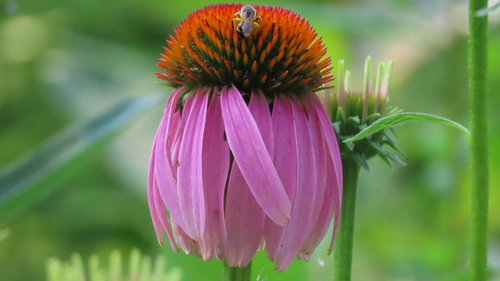 Perennial
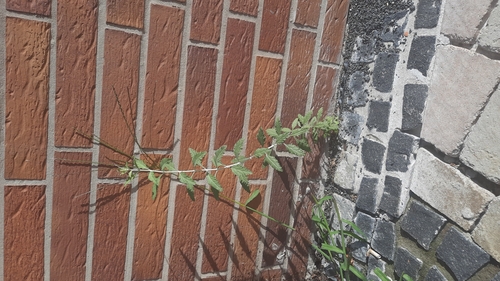 Perennial
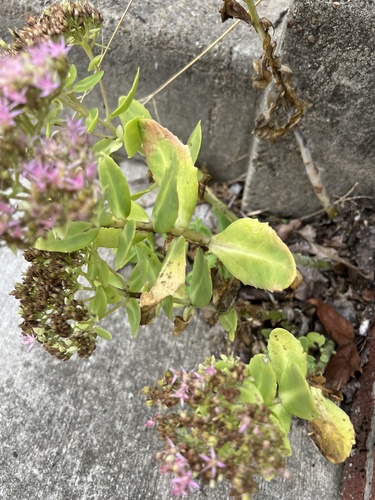 Perennial
 Perennial
 Perennial
 Perennial