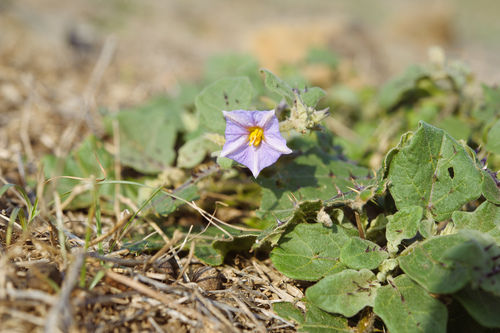
Eggplant
Solanum melongena
Eggplant's common name comes from 18th-century English varieties that produced small white egg-shaped fruits — totally different from the deep purple supermarket eggplant, but the name stuck even as breeders shifted to the dark cultivars we know today.
How to care for eggplant
Needs heat to set fruit — daytime highs above 70°F minimum. Stake or cage early; fruit-laden plants topple. Pick when skin is glossy and firm; dull skin = past peak (bitter, seedy).
Garden uses & design ideas
Best garden use
Give eggplant a sunny, reachable bed with a sturdy cage, dark mulch for heat, and low companion flowers nearby to draw pollinators without hiding fruit from weekly harvest checks.
Pair it with
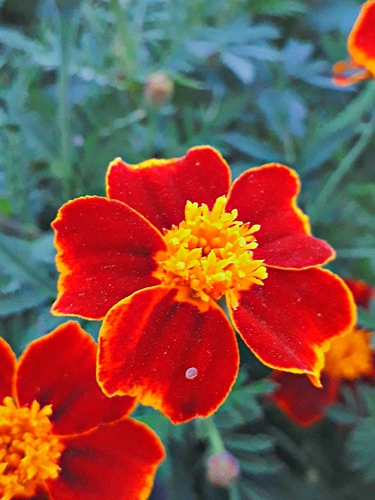
Beans, Marigold, Basil make easy companion choices because they share similar light, water, or visual texture needs.
Layout tip
Match it with full sun exposure, place it in a moderate-water bed where soil can stay evenly damp but not soggy, and check USDA zones 5-11 (warm-season annual) before planting. Use the garden planner to test spacing around its mature size: 2-4 ft tall, 1-2 ft wide. Regional note: Cool summers slow growth and fruit set; northern gardeners get better results with transplants, black mulch, and a protected warm microclimate.
Gardener note — Double-check local invasive, edible, and toxicity guidance with your county extension office before planting around pets, children, or natural areas.Regional note: Cool summers slow growth and fruit set; northern gardeners get better results with transplants, black mulch, and a protected warm microclimate.Safety note: Only the mature fruit is used as food; keep leaves, stems, and unripe or bitter fruit away from children and pets because eggplant is a nightshade crop.
Companion plants
Eggplant grows well alongside these — similar light, water, and texture needs.
Common pests & problems
Where it grows best
Native to Indian subcontinent; thrives in USDA hardiness zones 5-11 (warm-season annual).
Frequently asked about eggplant
What USDA zones does Eggplant grow in?+
Eggplant is hardy in USDA zones 5-11 (warm-season annual). Outside these zones, it can usually be grown indoors or as a seasonal annual.
How much sun does Eggplant need?+
Eggplant prefers full sun. Place it where it gets that light most of the day for best growth and vigor.
How often should I water Eggplant?+
Eggplant has moderate water needs. Keep soil consistently moist but not soggy. Needs heat to set fruit — daytime highs above 70°F minimum. Stake or cage early; fruit-laden plants topple. Pick when skin is glossy and firm; dull skin = past peak (bitter, seedy).
How big does Eggplant get?+
Eggplant reaches a mature size of 2-4 ft tall, 1-2 ft wide. Growth rate is moderate, so plan spacing accordingly when planting.
What plants grow well with Eggplant?+
Eggplant pairs well with Beans, Marigold, Basil, Pepper. These companions share similar care requirements and don't compete aggressively for resources.
What pests affect Eggplant?+
Common Eggplant problems include flea beetles; Colorado potato beetle; spider mites. Catching early signs in routine inspection prevents most damage.
More plants to design with
Pair well with eggplant or suit the same spot.
 Annual
 Vegetable
 Vegetable
 Vegetable
 Vegetable
 Vegetable