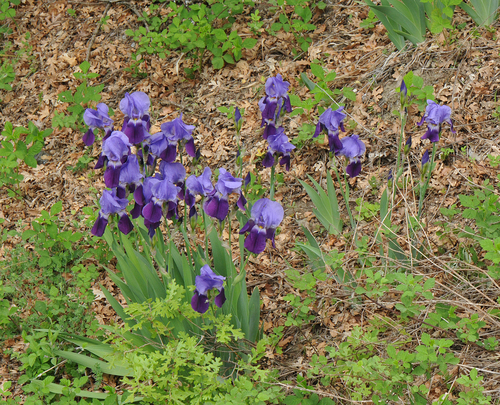
Bearded Iris
Iris germanica
Named for the Greek goddess of the rainbow — bearded iris exists in nearly every color combination, and 80,000+ cultivars are registered with the American Iris Society.
How to care for bearded iris
Plant rhizomes horizontally with the top half exposed to the sun — buried rhizomes rot. Divide every 3-4 years in mid-summer to prevent overcrowding and reduce iris borer infestations.
Garden uses & design ideas
Best garden use
Place it in repeatable drifts through borders so the color and texture carry the eye instead of appearing as a one-off plant.
Pair it with
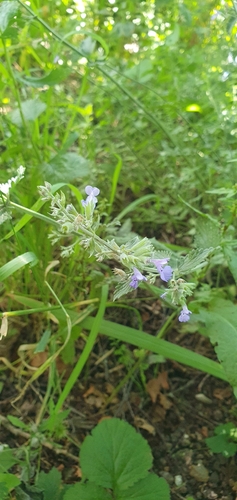
Peony, Roses, Catmint make easy companion choices because they share similar light, water, or visual texture needs.
Layout tip
Match it with full sun exposure, group it with other low-water plants so one irrigation zone can stay lean, and check USDA zones 3-9 before planting. Use the garden planner to test spacing around its mature size: 2-3 ft tall, 1-2 ft wide.
Gardener note — Double-check local invasive, edible, and toxicity guidance with your county extension office before planting around pets, children, or natural areas.
Companion plants
Bearded Iris grows well alongside these — similar light, water, and texture needs.
Common pests & problems
Where it grows best
Native to Central and Southern Europe; thrives in USDA hardiness zones 3-9.
Frequently asked about bearded iris
What USDA zones does Bearded Iris grow in?+
Bearded Iris is hardy in USDA zones 3-9. Outside these zones, it can usually be grown indoors or as a seasonal annual.
How much sun does Bearded Iris need?+
Bearded Iris prefers full sun. Place it where it gets that light most of the day for best growth and flowering.
How often should I water Bearded Iris?+
Bearded Iris has low water needs. Allow the soil to dry between waterings. Plant rhizomes horizontally with the top half exposed to the sun — buried rhizomes rot. Divide every 3-4 years in mid-summer to prevent overcrowding and reduce iris borer infestations.
How big does Bearded Iris get?+
Bearded Iris reaches a mature size of 2-3 ft tall, 1-2 ft wide. Growth rate is moderate, so plan spacing accordingly when planting.
What plants grow well with Bearded Iris?+
Bearded Iris pairs well with Peony, Roses, Catmint, Lavender, Allium. These companions share similar care requirements and don't compete aggressively for resources.
What pests affect Bearded Iris?+
Common Bearded Iris problems include iris borer; bacterial soft rot; thrips. Catching early signs in routine inspection prevents most damage.
When does Bearded Iris bloom?+
Bearded Iris blooms in late spring in every color of the rainbow. Deadheading spent flowers (where applicable) often encourages a longer bloom window.
More plants to design with
Pair well with bearded iris or suit the same spot.
 Perennial
 Shrub
Shrub Perennial
 Perennial
 Perennial
 Perennial