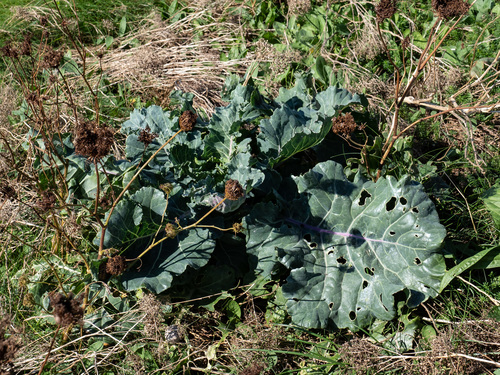
Kale
Brassica oleracea var. sabellica
Kale is genetically the same species as broccoli, cauliflower, cabbage, brussels sprouts, kohlrabi, and collards — all selectively bred from the same wild mustard ancestor (Brassica oleracea).
How to care for kale
Sweetens after a hard frost — sugars accumulate as antifreeze, transforming bitter leaves into the kale you actually want to eat. Harvest outer leaves first; the central rosette keeps producing for 6+ months.
Garden uses & design ideas
Best garden use
Give it a practical bed with easy reach, steady water, and companion flowers nearby to support pollinators and pest balance.
Pair it with
Onion, Garlic, Beet make easy companion choices because they share similar light, water, or visual texture needs.
Layout tip
Match it with full sun exposure, place it in a moderate-water bed where soil can stay evenly damp but not soggy, and check USDA zones 2-11 (biennial, grown as annual; overwinters in zone 7+) before planting. Use the garden planner to test spacing around its mature size: 12-36 in tall, 18-24 in wide.
Gardener note — Double-check local invasive, edible, and toxicity guidance with your county extension office before planting around pets, children, or natural areas.
Companion plants
Kale grows well alongside these — similar light, water, and texture needs.
Common pests & problems
Where it grows best
Native to Eastern Mediterranean and Asia Minor; thrives in USDA hardiness zones 2-11 (biennial, grown as annual; overwinters in zone 7+).
Frequently asked about kale
What USDA zones does Kale grow in?+
Kale is hardy in USDA zones 2-11 (biennial, grown as annual; overwinters in zone 7+). Outside these zones, it can usually be grown indoors or as a seasonal annual.
How much sun does Kale need?+
Kale prefers full sun. Place it where it gets that light most of the day for best growth and vigor.
How often should I water Kale?+
Kale has moderate water needs. Keep soil consistently moist but not soggy. Sweetens after a hard frost — sugars accumulate as antifreeze, transforming bitter leaves into the kale you actually want to eat. Harvest outer leaves first; the central rosette keeps producing for 6+ months.
How big does Kale get?+
Kale reaches a mature size of 12-36 in tall, 18-24 in wide. Growth rate is moderate, so plan spacing accordingly when planting.
What plants grow well with Kale?+
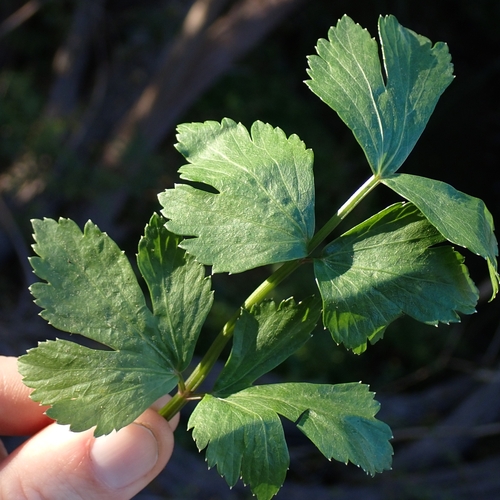
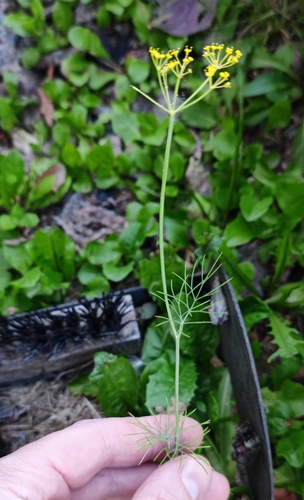
Kale pairs well with Onion, Garlic, Beet, Celery, Dill. These companions share similar care requirements and don't compete aggressively for resources.
What pests affect Kale?+
Common Kale problems include cabbage worms; aphids; harlequin bugs; flea beetles. Catching early signs in routine inspection prevents most damage.
More plants to design with
Pair well with kale or suit the same spot.
 Vegetable
 Vegetable
 Vegetable
 Vegetable
 HerbVegetable