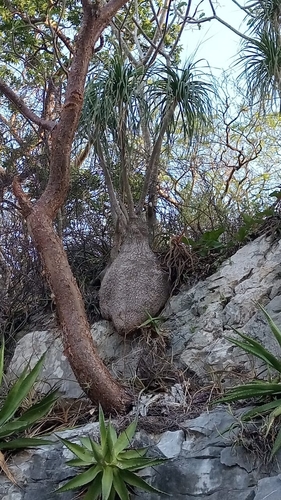
Ponytail Palm
Beaucarnea recurvata
Despite the name, ponytail palm is NOT a palm — it's actually a member of the asparagus family, more closely related to yucca and agave. The 'palm' look is convergent evolution to survive desert drought.
How to care for ponytail palm
Water only when top half of the pot is bone dry — the swollen caudex stores months of water. Repot rarely (every 3-5 years); ponytail palms prefer being slightly rootbound. Don't cut the top — it won't branch from a clean cut.
Garden uses & design ideas
Best garden use
Use ponytail palm as a sculptural, low-water container focal point in a bright room or frost-free patio corner; repeat rounded pots or gravel mulch so the swollen base becomes part of the design.
Pair it with
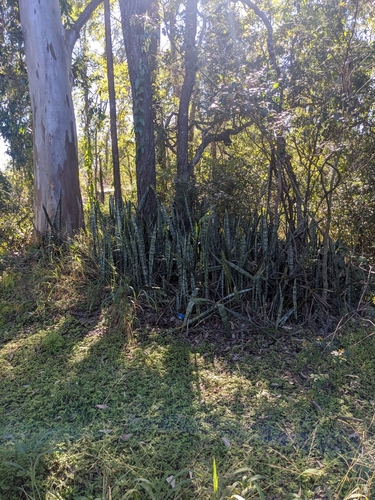
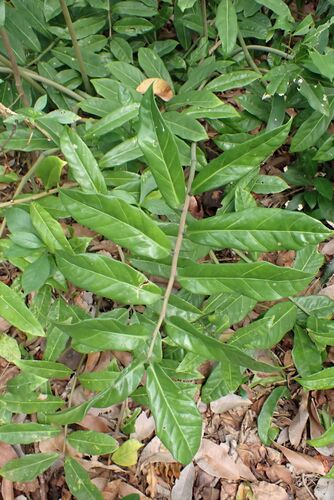
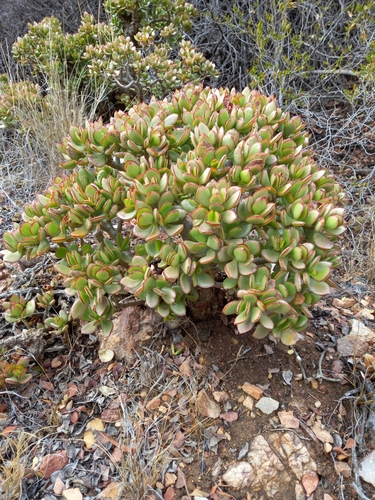
Snake plant, Jade plant, ZZ plant make easy companion choices because they share similar light, water, or visual texture needs.
Layout tip
Match it with bright indirect light exposure, group it with other low-water plants so one irrigation zone can stay lean, and check USDA zones 9-11 (indoor anywhere) before planting. Use the garden planner to test spacing around its mature size: 3-6 ft tall indoors, 1-2 ft wide caudex. Regional note: It is not a true palm and is only outdoor-hardy in warm frost-free areas; cold-zone gardeners should keep it in a movable pot.
Gardener note — Double-check local invasive, edible, and toxicity guidance with your county extension office before planting around pets, children, or natural areas.Regional note: It is not a true palm and is only outdoor-hardy in warm frost-free areas; cold-zone gardeners should keep it in a movable pot.Safety note: The sharp leaf edges and heavy caudex can be awkward in tight walkways, so place it where people will not brush past it or tip the pot.
Companion plants
Ponytail Palm grows well alongside these — similar light, water, and texture needs.
Common pests & problems
Where it grows best
Native to Eastern Mexico (semi-desert); thrives in USDA hardiness zones 9-11 (indoor anywhere).
Frequently asked about ponytail palm
What USDA zones does Ponytail Palm grow in?+
Ponytail Palm is hardy in USDA zones 9-11 (indoor anywhere). Outside these zones, it can usually be grown indoors or as a seasonal annual.
How much sun does Ponytail Palm need?+
Ponytail Palm prefers bright indirect light. Place it where it gets that light most of the day for best growth and vigor.
How often should I water Ponytail Palm?+
Ponytail Palm has low water needs. Allow the soil to dry between waterings. Water only when top half of the pot is bone dry — the swollen caudex stores months of water. Repot rarely (every 3-5 years); ponytail palms prefer being slightly rootbound. Don't cut the top — it won't branch from a clean cut.
How big does Ponytail Palm get?+
Ponytail Palm reaches a mature size of 3-6 ft tall indoors, 1-2 ft wide caudex. Growth rate is slow, so plan spacing accordingly when planting.
What plants grow well with Ponytail Palm?+
Ponytail Palm pairs well with Snake plant, Jade plant, ZZ plant. These companions share similar care requirements and don't compete aggressively for resources.
What pests affect Ponytail Palm?+
Common Ponytail Palm problems include essentially pest-free; spider mites in dry air. Catching early signs in routine inspection prevents most damage.
More plants to design with
Pair well with ponytail palm or suit the same spot.
 Houseplant
 Houseplant
 Succulent
 Houseplant
 Houseplant
 Houseplant