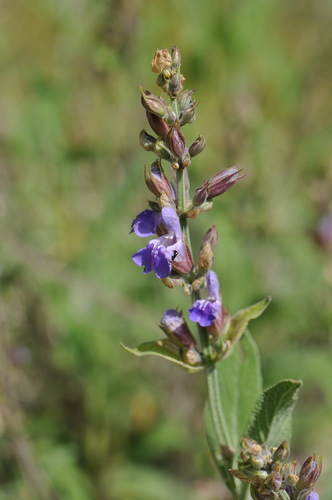
Sage (Common)
Salvia officinalis
Sage's botanical name (Salvia, from 'salvare' = 'to heal') reflects 2,000+ years of medicinal use — Roman gardens always included sage as the most-prized of all herbs, with strict harvest rituals.
How to care for sage (common)
Prune hard in spring to prevent woody base — cut all stems back by half. Replace plants every 4-5 years as they get woody and stop producing tender leaves. Drought-tolerant; overwatering rots crown.
Garden uses & design ideas
Best garden use
Keep it close to paths, patios, or kitchen doors so harvesting feels easy and the fragrance is part of the garden experience.
Pair it with
Rosemary, Thyme, Lavender make easy companion choices because they share similar light, water, or visual texture needs.
Layout tip
Match it with full sun exposure, group it with other low-water plants so one irrigation zone can stay lean, and check USDA zones 4-10 before planting. Use the garden planner to test spacing around its mature size: 18-24 in tall and wide.
Gardener note — Double-check local invasive, edible, and toxicity guidance with your county extension office before planting around pets, children, or natural areas.
Companion plants
Sage (Common) grows well alongside these — similar light, water, and texture needs.
Common pests & problems
Where it grows best
Native to Mediterranean basin; thrives in USDA hardiness zones 4-10.
Frequently asked about sage (common)
What USDA zones does Sage (Common) grow in?+
Sage (Common) is hardy in USDA zones 4-10. Outside these zones, it can usually be grown indoors or as a seasonal annual.
How much sun does Sage (Common) need?+
Sage (Common) prefers full sun. Place it where it gets that light most of the day for best growth and flowering.
How often should I water Sage (Common)?+
Sage (Common) has low water needs. Allow the soil to dry between waterings. Prune hard in spring to prevent woody base — cut all stems back by half. Replace plants every 4-5 years as they get woody and stop producing tender leaves. Drought-tolerant; overwatering rots crown.
How big does Sage (Common) get?+
Sage (Common) reaches a mature size of 18-24 in tall and wide. Growth rate is moderate, so plan spacing accordingly when planting.
What plants grow well with Sage (Common)?+
Sage (Common) pairs well with Rosemary, Thyme, Lavender, Cabbage, Carrots. These companions share similar care requirements and don't compete aggressively for resources.
What pests affect Sage (Common)?+
Common Sage (Common) problems include spider mites in dry summers; powdery mildew. Catching early signs in routine inspection prevents most damage.
When does Sage (Common) bloom?+
Sage (Common) blooms in early summer in lavender-blue (edible). Deadheading spent flowers (where applicable) often encourages a longer bloom window.
More plants to design with
Pair well with sage (common) or suit the same spot.
 Herb
Herb Vegetable
 Vegetable
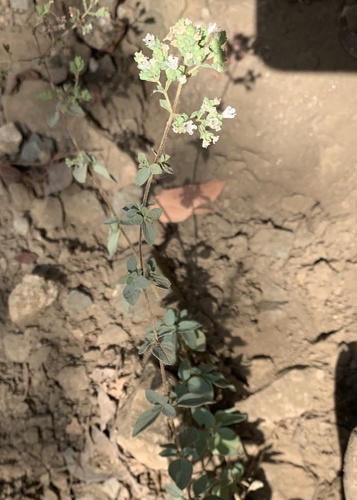 Herb
Herb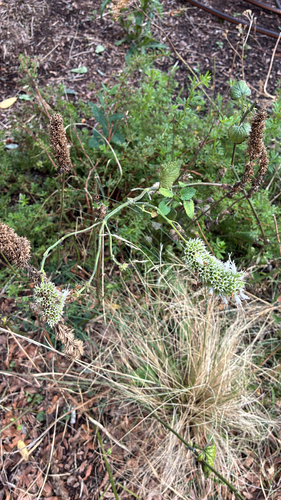 Herb
Herb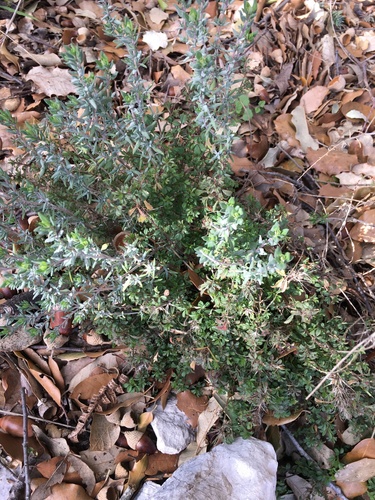 Herb
Herb