
Weeping Willow
Salix babylonica
Willow bark was the original source of salicylic acid, the precursor to aspirin — and modern cuttings root so readily that a 12-inch stick stuck in damp ground will become a tree within 5 years.
How to care for weeping willow
Plant only where roots have 50+ ft of clear space and FAR from septic, foundations, or water pipes — aggressive roots seek moisture and break drains. Short-lived (30-40 years) but spectacular when sited correctly.
Garden uses & design ideas
Best garden use
Use weeping willow only as a large-water-feature tree where the canopy can be admired from a distance and the root zone has room far away from pipes, paving, and foundations.
Pair it with
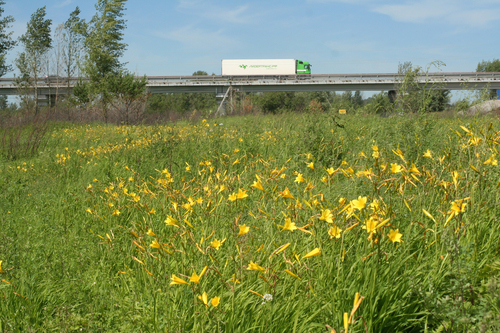
Iris (waterside), Daylily, Hostas make easy companion choices because they share similar light, water, or visual texture needs.
Layout tip
Match it with full sun exposure, keep it in the same moist-bed zone as other thirsty plants, and check USDA zones 4-9 before planting. Use the garden planner to test spacing around its mature size: 30-50 ft tall and wide. Regional note: Its fast growth, brittle limbs, and water-seeking roots make it a poor fit for small yards, septic fields, streets, and foundation beds.
Gardener note — Double-check local invasive, edible, and toxicity guidance with your county extension office before planting around pets, children, or natural areas.Regional note: Its fast growth, brittle limbs, and water-seeking roots make it a poor fit for small yards, septic fields, streets, and foundation beds.Safety note: Do not place seating, play spaces, or structures under mature limbs without regular arborist inspection; fallen branches and invasive roots can cause real damage.
Companion plants
Weeping Willow grows well alongside these — similar light, water, and texture needs.
Common pests & problems
Where it grows best
Native to Northern China; thrives in USDA hardiness zones 4-9.
Frequently asked about weeping willow
What USDA zones does Weeping Willow grow in?+
Weeping Willow is hardy in USDA zones 4-9. Outside these zones, it can usually be grown indoors or as a seasonal annual.
How much sun does Weeping Willow need?+
Weeping Willow prefers full sun. Place it where it gets that light most of the day for best growth and vigor.
How often should I water Weeping Willow?+
Weeping Willow has high water needs. Water frequently — this plant prefers reliably moist soil. Plant only where roots have 50+ ft of clear space and FAR from septic, foundations, or water pipes — aggressive roots seek moisture and break drains. Short-lived (30-40 years) but spectacular when sited correctly.
How big does Weeping Willow get?+
Weeping Willow reaches a mature size of 30-50 ft tall and wide. Growth rate is fast, so plan spacing accordingly when planting.
What plants grow well with Weeping Willow?+
Weeping Willow pairs well with Iris (waterside), Daylily, Hostas, Ferns. These companions share similar care requirements and don't compete aggressively for resources.
What pests affect Weeping Willow?+
Common Weeping Willow problems include willow gall; borers; scab. Catching early signs in routine inspection prevents most damage.
More plants to design with
Pair well with weeping willow or suit the same spot.
 Perennial
 Perennial
 Tree
Tree Tree
Tree Tree
Tree Tree
Tree