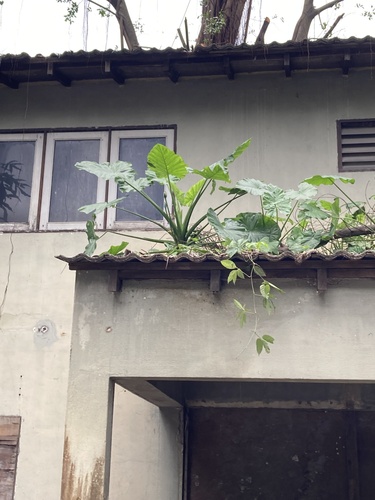
Alocasia (Elephant Ear)
Alocasia spp.
Alocasia leaves use 'guttation' — they secrete water droplets from leaf tips overnight when soil is wet. It looks like the plant is crying, and it's the most reliable sign you're overwatering.
How to care for alocasia (elephant ear)
Water when top inch of soil is dry — alocasia goes dormant if too dry OR too wet. Lost all leaves? Don't toss it; the corm is usually still alive and will sprout if kept barely moist for 6-8 weeks.
Garden uses & design ideas
Best garden use
Use it as a living focal point near a bright window, then repeat leaf shapes with smaller companion plants so the room feels intentional.
Pair it with
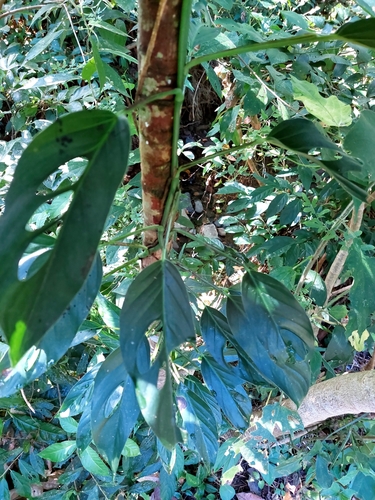
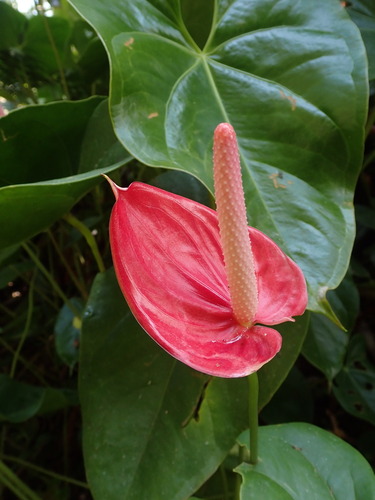
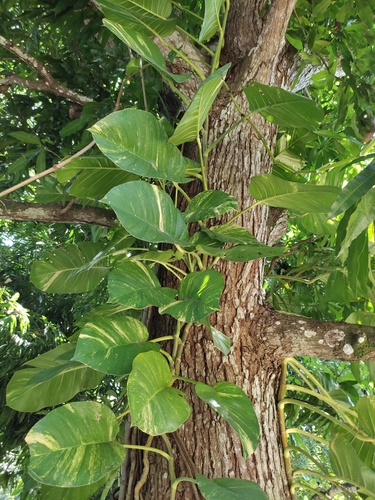
Monstera, Philodendron, Calathea make easy companion choices because they share similar light, water, or visual texture needs.
Layout tip
Match it with bright indirect light exposure, place it in a moderate-water bed where soil can stay evenly damp but not soggy, and check USDA zones 9-11 (indoor in colder zones) before planting. Use the garden planner to test spacing around its mature size: 2-6 ft tall, 1-4 ft wide.
Gardener note — Double-check local invasive, edible, and toxicity guidance with your county extension office before planting around pets, children, or natural areas.
Companion plants
Alocasia (Elephant Ear) grows well alongside these — similar light, water, and texture needs.
Common pests & problems
Where it grows best
Native to Southeast Asia and Eastern Australia; thrives in USDA hardiness zones 9-11 (indoor in colder zones).
Frequently asked about alocasia (elephant ear)
What USDA zones does Alocasia (Elephant Ear) grow in?+
Alocasia (Elephant Ear) is hardy in USDA zones 9-11 (indoor in colder zones). Outside these zones, it can usually be grown indoors or as a seasonal annual.
How much sun does Alocasia (Elephant Ear) need?+
Alocasia (Elephant Ear) prefers bright indirect light. Place it where it gets that light most of the day for best growth and vigor.
How often should I water Alocasia (Elephant Ear)?+
Alocasia (Elephant Ear) has moderate water needs. Keep soil consistently moist but not soggy. Water when top inch of soil is dry — alocasia goes dormant if too dry OR too wet. Lost all leaves? Don't toss it; the corm is usually still alive and will sprout if kept barely moist for 6-8 weeks.
How big does Alocasia (Elephant Ear) get?+
Alocasia (Elephant Ear) reaches a mature size of 2-6 ft tall, 1-4 ft wide. Growth rate is fast, so plan spacing accordingly when planting.
What plants grow well with Alocasia (Elephant Ear)?+
Alocasia (Elephant Ear) pairs well with Monstera, Philodendron, Calathea. These companions share similar care requirements and don't compete aggressively for resources.
What pests affect Alocasia (Elephant Ear)?+
Common Alocasia (Elephant Ear) problems include spider mites (very prone); thrips; mealybugs. Catching early signs in routine inspection prevents most damage.
More plants to design with
Pair well with alocasia (elephant ear) or suit the same spot.
 Houseplant
 Houseplant
 Houseplant
 Houseplant
 Houseplant
 Houseplant