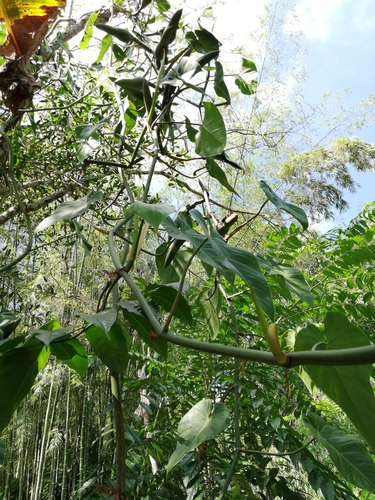
Heartleaf Philodendron
Philodendron hederaceum
Often confused with pothos, but philodendron has softer heart-shaped leaves and pink sheaths protecting new growth — and it tolerates lower light than pothos.
How to care for heartleaf philodendron
Water when the top inch is dry — yellow leaves signal overwatering, drooping signals underwatering. Pinch growing tips to encourage branching, and root cuttings in water in under 2 weeks.
Garden uses & design ideas
Best garden use
Use heartleaf philodendron to soften shelves, mantels, or hanging baskets, then trim and root cuttings so repeated vines can tie several indoor garden corners together.
Pair it with
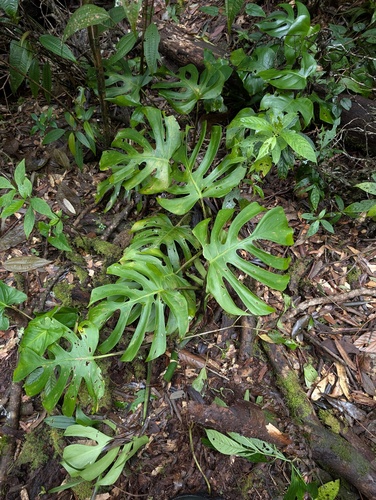
Pothos, Monstera, Snake plant make easy companion choices because they share similar light, water, or visual texture needs.
Layout tip
Match it with bright indirect light exposure, place it in a moderate-water bed where soil can stay evenly damp but not soggy, and check USDA zones 11-12 (indoor anywhere) before planting. Use the garden planner to test spacing around its mature size: 4-6 ft trailing indoors; up to 20 ft climbing outdoors. Regional note: Most gardeners should treat it as an indoor plant; outdoor placement is limited to warm, shaded, frost-free areas.
Gardener note — Double-check local invasive, edible, and toxicity guidance with your county extension office before planting around pets, children, or natural areas.Regional note: Most gardeners should treat it as an indoor plant; outdoor placement is limited to warm, shaded, frost-free areas.Safety note: Philodendron contains irritating calcium oxalates, so keep vines trimmed away from pets, children, and food-prep surfaces.
Companion plants
Heartleaf Philodendron grows well alongside these — similar light, water, and texture needs.
Common pests & problems
Where it grows best
Native to Caribbean and Central America; thrives in USDA hardiness zones 11-12 (indoor anywhere).
Frequently asked about heartleaf philodendron
What USDA zones does Heartleaf Philodendron grow in?+
Heartleaf Philodendron is hardy in USDA zones 11-12 (indoor anywhere). Outside these zones, it can usually be grown indoors or as a seasonal annual.
How much sun does Heartleaf Philodendron need?+
Heartleaf Philodendron prefers bright indirect light. Place it where it gets that light most of the day for best growth and vigor.
How often should I water Heartleaf Philodendron?+
Heartleaf Philodendron has moderate water needs. Keep soil consistently moist but not soggy. Water when the top inch is dry — yellow leaves signal overwatering, drooping signals underwatering. Pinch growing tips to encourage branching, and root cuttings in water in under 2 weeks.
How big does Heartleaf Philodendron get?+
Heartleaf Philodendron reaches a mature size of 4-6 ft trailing indoors; up to 20 ft climbing outdoors. Growth rate is fast, so plan spacing accordingly when planting.
What plants grow well with Heartleaf Philodendron?+
Heartleaf Philodendron pairs well with Pothos, Monstera, Snake plant, Calathea. These companions share similar care requirements and don't compete aggressively for resources.
What pests affect Heartleaf Philodendron?+
Common Heartleaf Philodendron problems include aphids; mealybugs; spider mites. Catching early signs in routine inspection prevents most damage.
More plants to design with
Pair well with heartleaf philodendron or suit the same spot.
 Houseplant
 Houseplant
 Houseplant
 Houseplant
 Houseplant
 Houseplant