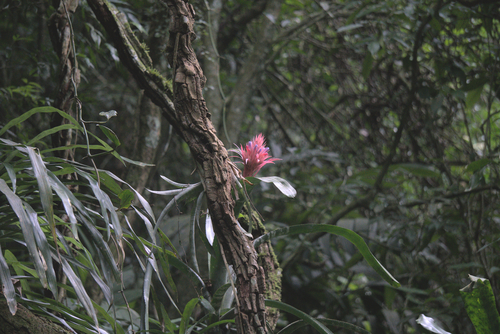
Bromeliad
Aechmea fasciata
Pineapple (Ananas comosus) is the only commercially edible bromeliad — and the genus is so distinct from other monocots that the family hasn't found a close relative in 130 million years of botanical history.
How to care for bromeliad
Water INTO the central cup, not the soil — bromeliads are epiphytes that absorb water through the rosette in nature. Empty and refill the cup weekly to prevent stagnation. After bloom, the parent dies but produces 'pups' at the base.
Garden uses & design ideas
Best garden use
Use it as a living focal point near a bright window, then repeat leaf shapes with smaller companion plants so the room feels intentional.
Pair it with
Orchids, Anthurium, Ferns make easy companion choices because they share similar light, water, or visual texture needs.
Layout tip
Match it with bright indirect light exposure, place it in a moderate-water bed where soil can stay evenly damp but not soggy, and check USDA zones 10-12 (indoor anywhere) before planting. Use the garden planner to test spacing around its mature size: 1-3 ft tall and wide.
Gardener note — Double-check local invasive, edible, and toxicity guidance with your county extension office before planting around pets, children, or natural areas.
Companion plants
Bromeliad grows well alongside these — similar light, water, and texture needs.
Common pests & problems
Where it grows best
Native to Tropical Americas; thrives in USDA hardiness zones 10-12 (indoor anywhere).
Frequently asked about bromeliad
What USDA zones does Bromeliad grow in?+
Bromeliad is hardy in USDA zones 10-12 (indoor anywhere). Outside these zones, it can usually be grown indoors or as a seasonal annual.
How much sun does Bromeliad need?+
Bromeliad prefers bright indirect light. Place it where it gets that light most of the day for best growth and flowering.
How often should I water Bromeliad?+
Bromeliad has moderate water needs. Keep soil consistently moist but not soggy. Water INTO the central cup, not the soil — bromeliads are epiphytes that absorb water through the rosette in nature. Empty and refill the cup weekly to prevent stagnation. After bloom, the parent dies but produces 'pups' at the base.
How big does Bromeliad get?+
Bromeliad reaches a mature size of 1-3 ft tall and wide. Growth rate is slow, so plan spacing accordingly when planting.
What plants grow well with Bromeliad?+
Bromeliad pairs well with Orchids, Anthurium, Ferns. These companions share similar care requirements and don't compete aggressively for resources.
What pests affect Bromeliad?+
Common Bromeliad problems include mealybugs; scale; root rot from soil watering. Catching early signs in routine inspection prevents most damage.
When does Bromeliad bloom?+
Bromeliad blooms in once per plant lifetime (then dies, leaves offsets) in pink, red, orange (long-lasting inflorescence). Deadheading spent flowers (where applicable) often encourages a longer bloom window.
More plants to design with
Pair well with bromeliad or suit the same spot.
 Houseplant
 Houseplant
 Houseplant
 Houseplant
 Houseplant
 Houseplant