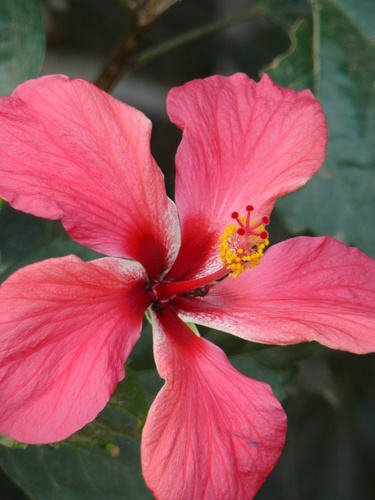
Hibiscus (Tropical)
Hibiscus rosa-sinensis
Hibiscus is the national flower of Malaysia, the state flower of Hawaii, and the source of the hibiscus tea (made from H. sabdariffa, a different species) drunk worldwide — the same genus underlies major cultural and beverage traditions across three continents.
How to care for hibiscus (tropical)
Each flower lasts ONE day — but a healthy plant produces fresh blooms daily for months. Feed weekly during bloom season with hibiscus-specific fertilizer (high potassium). Bring containers indoors at 50°F.
Garden uses & design ideas
Best garden use
Use it as structure near paths, fences, or foundation beds, leaving enough mature width so pruning stays light and natural.
Pair it with
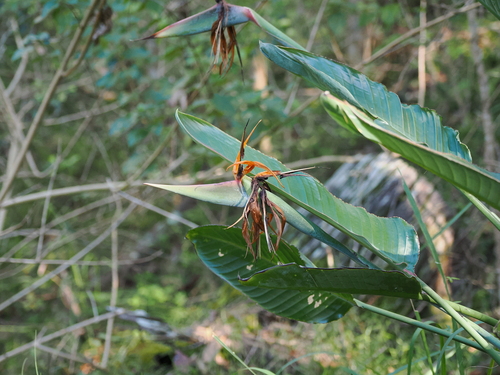
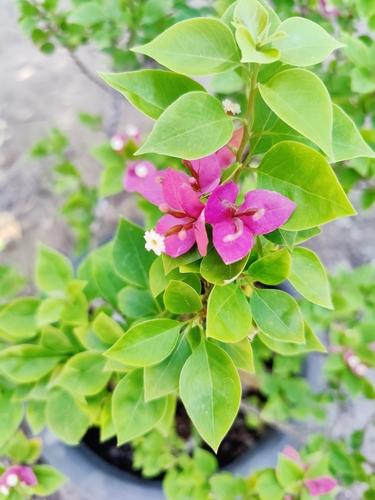
Plumeria, Bougainvillea, Bird of paradise make easy companion choices because they share similar light, water, or visual texture needs.
Layout tip
Match it with full sun exposure, place it in a moderate-water bed where soil can stay evenly damp but not soggy, and check USDA zones 9-11 (container indoors in colder zones) before planting. Use the garden planner to test spacing around its mature size: 4-10 ft tall and wide outdoors.
Gardener note — Double-check local invasive, edible, and toxicity guidance with your county extension office before planting around pets, children, or natural areas.
Companion plants
Hibiscus (Tropical) grows well alongside these — similar light, water, and texture needs.
Common pests & problems
Where it grows best
Native to East Asia (cultivated origin uncertain); thrives in USDA hardiness zones 9-11 (container indoors in colder zones).
Frequently asked about hibiscus (tropical)
What USDA zones does Hibiscus (Tropical) grow in?+
Hibiscus (Tropical) is hardy in USDA zones 9-11 (container indoors in colder zones). Outside these zones, it can usually be grown indoors or as a seasonal annual.
How much sun does Hibiscus (Tropical) need?+
Hibiscus (Tropical) prefers full sun. Place it where it gets that light most of the day for best growth and flowering.
How often should I water Hibiscus (Tropical)?+
Hibiscus (Tropical) has moderate water needs. Keep soil consistently moist but not soggy. Each flower lasts ONE day — but a healthy plant produces fresh blooms daily for months. Feed weekly during bloom season with hibiscus-specific fertilizer (high potassium). Bring containers indoors at 50°F.
How big does Hibiscus (Tropical) get?+
Hibiscus (Tropical) reaches a mature size of 4-10 ft tall and wide outdoors. Growth rate is moderate, so plan spacing accordingly when planting.
What plants grow well with Hibiscus (Tropical)?+
Hibiscus (Tropical) pairs well with Plumeria, Bougainvillea, Bird of paradise. These companions share similar care requirements and don't compete aggressively for resources.
What pests affect Hibiscus (Tropical)?+
Common Hibiscus (Tropical) problems include aphids; whiteflies; spider mites (especially indoors). Catching early signs in routine inspection prevents most damage.
When does Hibiscus (Tropical) bloom?+
Hibiscus (Tropical) blooms in year-round in tropics; summer-only in northern containers in red, pink, orange, yellow, white, peach, bicolour. Deadheading spent flowers (where applicable) often encourages a longer bloom window.
More plants to design with
Pair well with hibiscus (tropical) or suit the same spot.
 Houseplant
 Vine
Vine Shrub
Shrub Shrub
Shrub Shrub
Shrub Shrub
Shrub