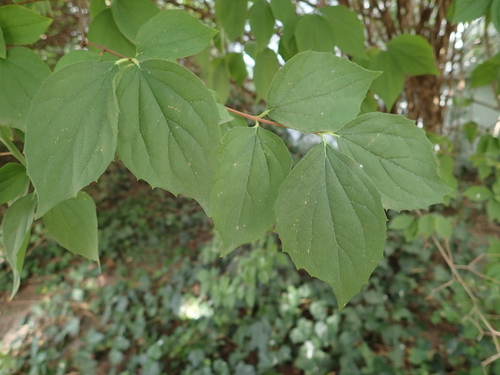
Mock Orange
Philadelphus coronarius
Mock orange's fragrance is so close to that of orange blossom that 18th-century perfumers used it as a substitute when citrus oils were imported only intermittently — the common name reflects the literal pre-industrial economic substitution.
How to care for mock orange
Prune ONLY immediately after bloom — flower buds form on previous year's wood. Renewal-prune by removing 1/3 of oldest canes at the base every 2-3 years. The fragrance peaks in evening and at sunrise.
Garden uses & design ideas
Best garden use
Place mock orange near a porch, gate, or seating nook where its brief spring fragrance will actually be noticed, then back it with quieter shrubs that carry the bed after bloom.
Pair it with
Peony, Iris, Allium make easy companion choices because they share similar light, water, or visual texture needs.
Layout tip
Match it with full sun exposure, place it in a moderate-water bed where soil can stay evenly damp but not soggy, and check USDA zones 4-8 before planting. Use the garden planner to test spacing around its mature size: 6-10 ft tall and wide. Regional note: Bloom can be sparse in too much shade or after late pruning; prune immediately after flowering so next year's buds are not removed.
Gardener note — Double-check local invasive, edible, and toxicity guidance with your county extension office before planting around pets, children, or natural areas.Regional note: Bloom can be sparse in too much shade or after late pruning; prune immediately after flowering so next year's buds are not removed.Safety note: Give the mature shrub enough width so fragrant branches do not crowd walkways or require constant hard pruning.
Companion plants
Mock Orange grows well alongside these — similar light, water, and texture needs.
Common pests & problems
Where it grows best
Native to Southern Europe and Mediterranean; thrives in USDA hardiness zones 4-8.
Frequently asked about mock orange
What USDA zones does Mock Orange grow in?+
Mock Orange is hardy in USDA zones 4-8. Outside these zones, it can usually be grown indoors or as a seasonal annual.
How much sun does Mock Orange need?+
Mock Orange prefers full sun. Place it where it gets that light most of the day for best growth and flowering.
How often should I water Mock Orange?+
Mock Orange has moderate water needs. Keep soil consistently moist but not soggy. Prune ONLY immediately after bloom — flower buds form on previous year's wood. Renewal-prune by removing 1/3 of oldest canes at the base every 2-3 years. The fragrance peaks in evening and at sunrise.
How big does Mock Orange get?+
Mock Orange reaches a mature size of 6-10 ft tall and wide. Growth rate is moderate, so plan spacing accordingly when planting.
What plants grow well with Mock Orange?+
Mock Orange pairs well with Peony, Iris, Allium, Rose. These companions share similar care requirements and don't compete aggressively for resources.
What pests affect Mock Orange?+
Common Mock Orange problems include essentially pest-free. Catching early signs in routine inspection prevents most damage.
When does Mock Orange bloom?+
Mock Orange blooms in late spring (2 weeks) in white (intensely fragrant). Deadheading spent flowers (where applicable) often encourages a longer bloom window.
More plants to design with
Pair well with mock orange or suit the same spot.
 Shrub
Shrub Shrub
Shrub Shrub
Shrub Shrub
Shrub Shrub
Shrub Shrub
Shrub