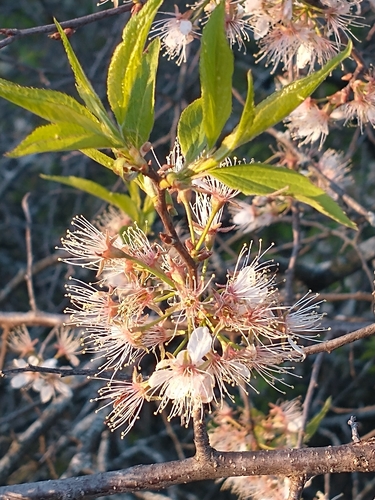
Plum Tree
Prunus domestica
European plums (Prunus domestica) are hexaploid (6 chromosome sets) while Japanese plums (P. salicina) are diploid — making them unable to cross-pollinate each other even when planted side-by-side, a quirk that surprises every new home orchard owner.
How to care for plum tree
Most European plums (Stanley, Damson) are self-fertile; Japanese plums (Santa Rosa, Methley) need a pollination partner. Thin fruit to 4 in spacing in June for size. Spray dormant oil in late winter to control overwintering pests.
Garden uses & design ideas
Best garden use
Place a plum tree first as a small orchard anchor, then keep herbs, pollinator flowers, and harvest paths outside the drip line so pruning, thinning, and picking stay comfortable on mobile-planned garden layouts.
Pair it with
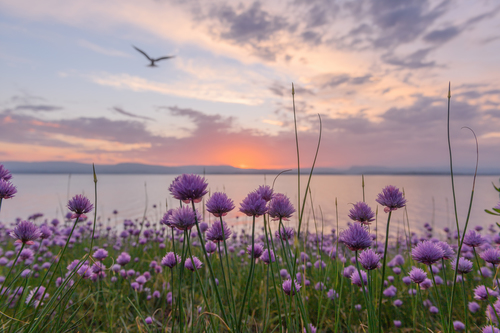
Garlic, Chives, Comfrey make easy companion choices because they share similar light, water, or visual texture needs.
Layout tip
Match it with full sun exposure, place it in a moderate-water bed where soil can stay evenly damp but not soggy, and check USDA zones 4-9 (cultivar-dependent) before planting. Use the garden planner to test spacing around its mature size: 15-25 ft tall and wide. Regional note: Chill hours, spring frost, and cultivar pollination requirements vary widely; match European or Japanese plum cultivars to your region before buying trees.
Gardener note — Double-check local invasive, edible, and toxicity guidance with your county extension office before planting around pets, children, or natural areas.Regional note: Chill hours, spring frost, and cultivar pollination requirements vary widely; match European or Japanese plum cultivars to your region before buying trees.Safety note: Fruit is edible when properly ripe, but wilted leaves, pits, and pruning waste should be kept away from livestock and pets; use normal food-safety care before preserving fruit.
Companion plants
Plum Tree grows well alongside these — similar light, water, and texture needs.
Common pests & problems
Where it grows best
Native to hybrid origin — parents from Western Asia and Europe; thrives in USDA hardiness zones 4-9 (cultivar-dependent).
Frequently asked about plum tree
What USDA zones does Plum Tree grow in?+
Plum Tree is hardy in USDA zones 4-9 (cultivar-dependent). Outside these zones, it can usually be grown indoors or as a seasonal annual.
How much sun does Plum Tree need?+
Plum Tree prefers full sun. Place it where it gets that light most of the day for best growth and flowering.
How often should I water Plum Tree?+
Plum Tree has moderate water needs. Keep soil consistently moist but not soggy. Most European plums (Stanley, Damson) are self-fertile; Japanese plums (Santa Rosa, Methley) need a pollination partner. Thin fruit to 4 in spacing in June for size. Spray dormant oil in late winter to control overwintering pests.
How big does Plum Tree get?+
Plum Tree reaches a mature size of 15-25 ft tall and wide. Growth rate is moderate, so plan spacing accordingly when planting.
What plants grow well with Plum Tree?+
Plum Tree pairs well with Garlic, Chives, Comfrey, Tansy. These companions share similar care requirements and don't compete aggressively for resources.
What pests affect Plum Tree?+
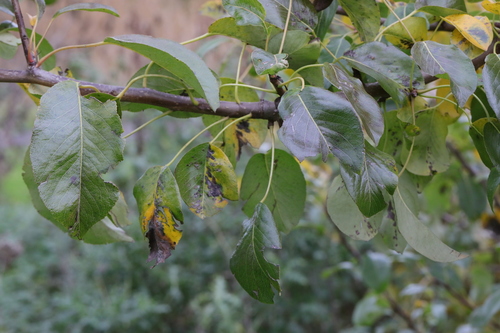
Common Plum Tree problems include plum curculio; black knot fungus; brown rot. Catching early signs in routine inspection prevents most damage.
When does Plum Tree bloom?+
Plum Tree blooms in early spring in white. Deadheading spent flowers (where applicable) often encourages a longer bloom window.
More plants to design with
Pair well with plum tree or suit the same spot.
 Herb
Herb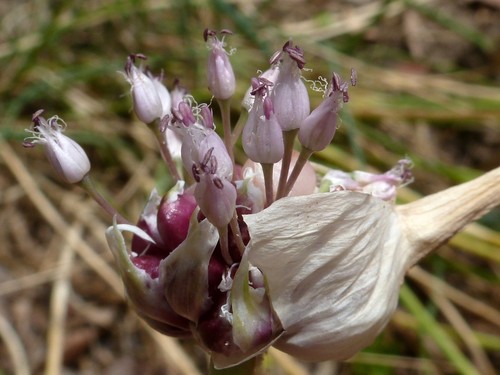 Vegetable
 Fruit
Fruit Fruit
Fruit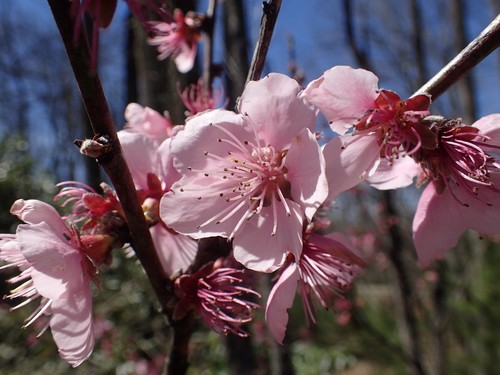 Fruit
Fruit Fruit
Fruit